Hemp
How hemp is processed
From harvest to the material that ends up on an ingredient list.
CANNAEAST Editorial · Published 18 January 2026 · Updated 18 January 2026 · 5 min read
Short answer
After harvest, hemp is separated by plant part: seed is cold-pressed into oil, while aerial parts are dried and extracted using oil, alcohol or CO2.
Seed to oil
Hemp seed is cleaned and then cold-pressed. Keeping the temperature low during pressing protects the character of the oil. What comes out is a green-gold oil used in kitchens and in cosmetics alike.
Aerial parts to extract
Leaves and flowers are dried and then extracted. The three methods you will see referenced most often are maceration in a carrier oil, extraction with alcohol, and supercritical CO2 extraction.
Each method pulls a slightly different fraction of the plant into the finished material, which is why two extracts from the same field can behave differently in a formula.
Why the method matters to you
For a shopper, the practical takeaway is simple: the processing method is part of what defines the ingredient. A brand that names its method is telling you something concrete about the material it buys.
Related ingredients
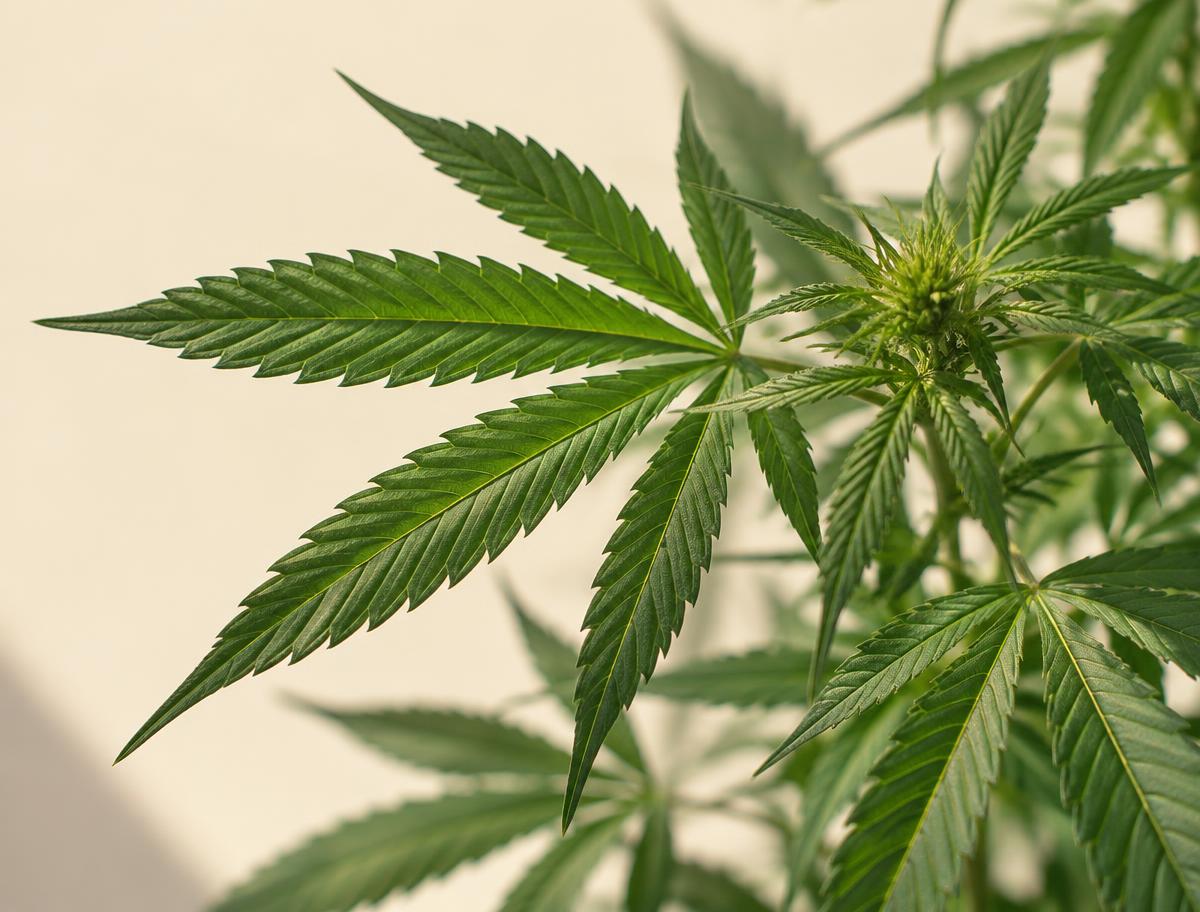
Hemp
Cannabis sativa L.
An agricultural crop grown across Europe, used in body care mainly as seed oil or as an extract of the aerial parts.
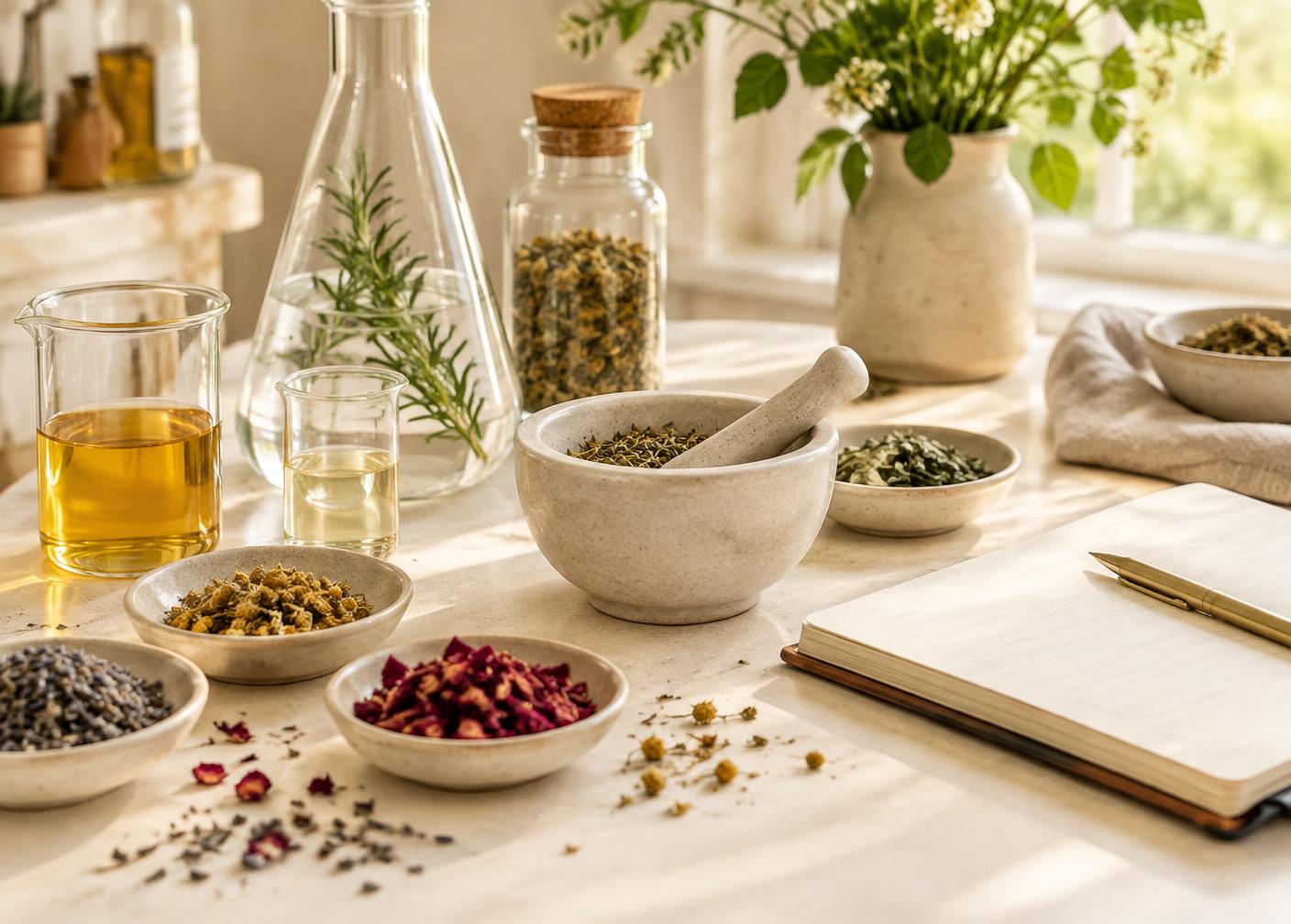
Botanical Extracts
Concentrated plant materials obtained by pressing, soaking or distilling parts of a plant.
Continue learning
Hemp
Hemp: a plain-language guide
The pillar guide to hemp — what the plant is, how it is grown and processed in Europe, and how to read the words used around it.
7 min read
Ingredients
Understanding botanical ingredients
The pillar guide to plant ingredients in body care: what an extract is, and how to make sense of an INCI list.
6 min read