CBD
CBD in skincare: potential benefits and what research actually shows
Why cannabidiol interests skin researchers, where the evidence is strongest, and what it cannot tell you about a particular cream.
CANNAEAST Editorial · Published 12 November 2026 · Updated 12 November 2026 · 6 min read
Short answer
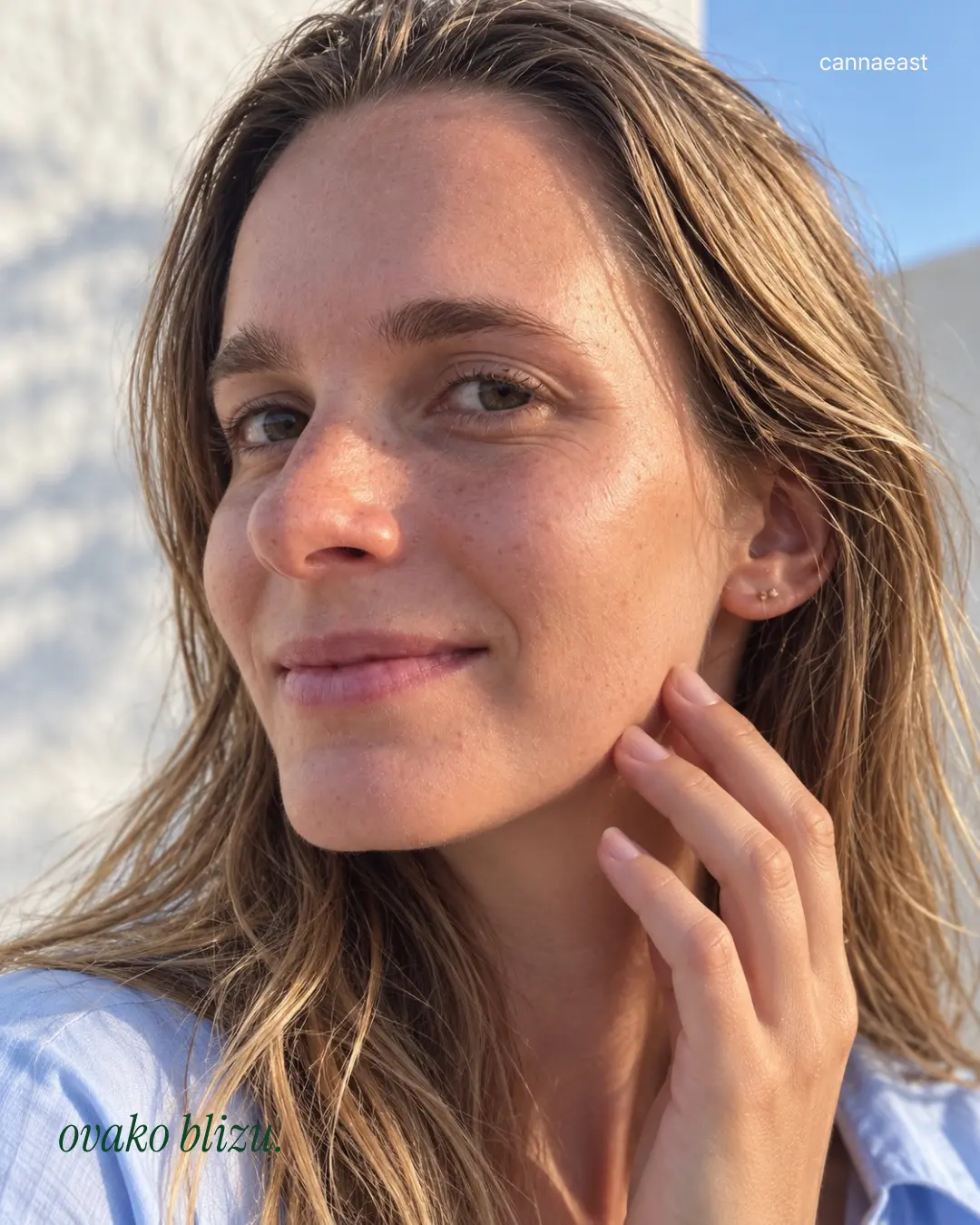
CBD has shown antioxidant activity and effects on inflammatory signalling and sebum production in laboratory models. Human evidence for topical products remains limited and formulation-specific. These findings do not establish that a CANNAEAST cream treats a skin condition or delivers the same effects.
Why CBD is being studied for skin
Cannabidiol is a cannabinoid, not a plant oil or a moisturising base. Skin contains components of the endocannabinoid system and other signalling targets relevant to cannabinoid research. That makes CBD scientifically interesting, but the existence of a target is not itself proof that applying a cream changes a meaningful skin outcome.
The 2023 review by Ferreira and colleagues brings together topical CBD research and highlights unresolved questions about mechanisms, delivery through the skin barrier and safety. Different vehicles can behave differently even when they contain the same ingredient.
Sources and research:[1]
Promising laboratory findings — not a treatment claim
Oláh and colleagues studied cultured human sebocytes, the cells that produce sebum, alongside a skin organ-culture model. Under their experimental conditions, CBD affected lipid production and inflammatory signalling. This is useful mechanistic evidence, not proof that an off-the-shelf CBD cream treats acne.
Atalay and colleagues review antioxidant and anti-inflammatory mechanisms of CBD. Much of this evidence comes from cells and other preclinical models. Concentrations used in a laboratory cannot simply be translated into a promised benefit from a cosmetic applied to intact skin.
What studies in people can and cannot tell us
A 2022 systematic review of skin-applied CBD trials identified substantial differences between formulations and study methods, high risk of bias and incomplete reporting. Several formulations also contained other ingredients, making CBD's individual contribution hard to isolate.
A positive result for one tested formula cannot be carried over to all CBD products. Better controlled human studies are needed to establish which outcomes are reliable, for whom and under what conditions.
Sources and research:[4]
Reading the CANNAEAST formula as a whole
The supplied INCI lists declare Cannabidiol in our face cream, body cream, after-sun lotion, tanning butter and Pulse Point. They do not state its concentration or prove any particular skin effect. We therefore do not attach a CBD percentage or a clinical efficacy claim to these products.
The face cream also contains macadamia oil, shea butter, glycerin, aloe extract and ceramide NP; the body cream lists almond oil and shea butter alongside arnica and comfrey extracts. These are complete cosmetic formulas, not experiments with isolated CBD. Texture, suitability and instructions matter alongside an eye-catching ingredient name.
A sensible next step
Read the complete ingredient list, check the product's intended use and consider fragrance or ingredients you know you do not tolerate. Introduce one new product at a time and stop if irritation occurs. Persistent or painful skin problems belong with a healthcare professional, not a cosmetic promise.
- Look for Cannabidiol on the INCI list rather than assuming every hemp product contains CBD.
- Do not confuse a cosmetic with an acne, eczema or pain treatment.
- Choose the whole formula for your routine, not a claim borrowed from an unrelated study.
Sources and research
Research cited in this article. Study findings apply to the materials and conditions investigated, not automatically to CANNAEAST products.
- [1] Ferreira et al. — Skin applications of cannabidiol: sources, effects, delivery systems, marketed formulations and safety (2023)
Review of topical delivery and safety; identifies remaining evidence gaps.
- [2] Oláh et al. — Cannabidiol exerts sebostatic and antiinflammatory effects on human sebocytes (2014)
Laboratory study of human sebocytes and skin organ culture, not a clinical trial of a consumer cream.
- [3] Atalay et al. — Antioxidative and Anti-Inflammatory Properties of Cannabidiol (2020)
Mechanistic review; primarily ingredient-level and preclinical evidence.
- [4] Systematic Review on Transdermal/Topical Cannabidiol Trials: A Reconsidered Way Forward (2022)
Systematic review of human trials; heterogeneous formulations, high risk of bias and reporting limitations.
Frequently asked questions
Recommended products
Products from the CANNAEAST range that relate directly to what you have just read.
Face Care
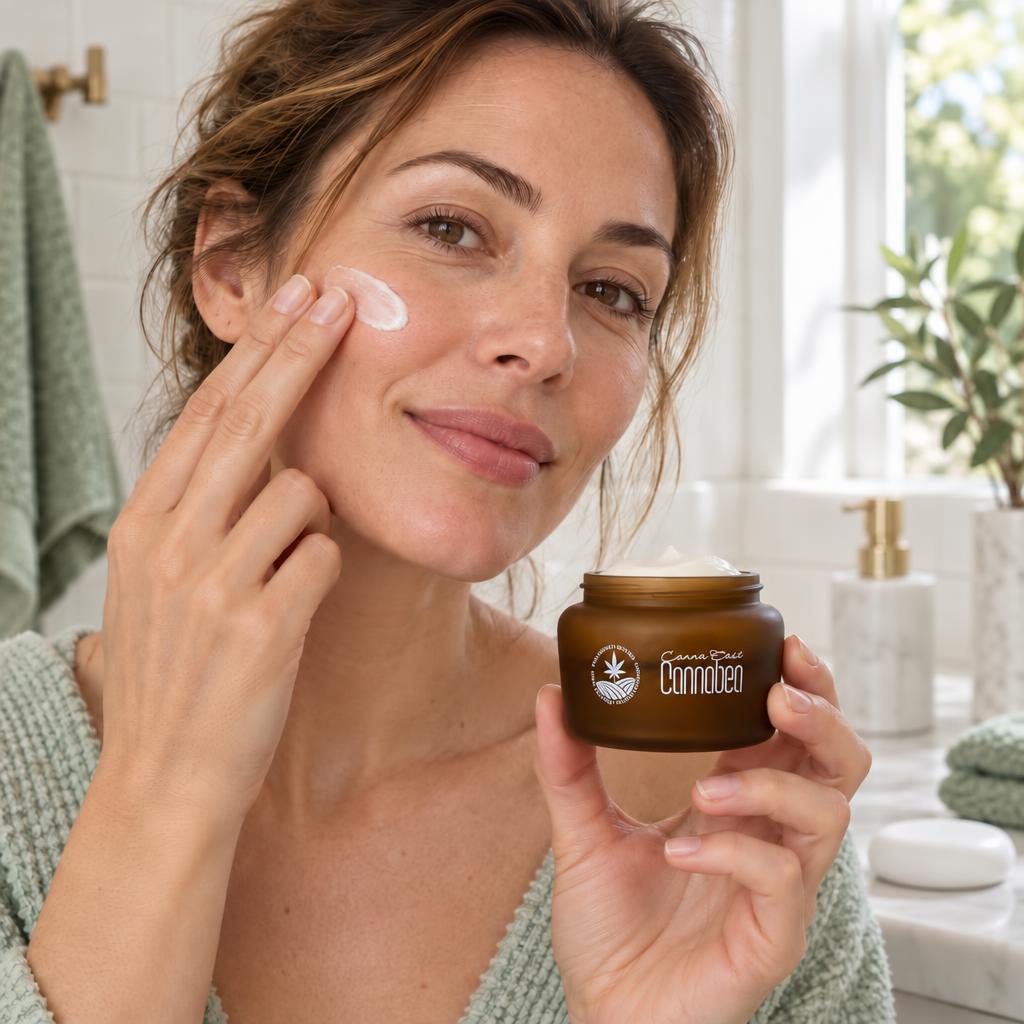
Hydrate & Renew Face Cream
A daily face cream with fullspectrum hemp flower and aerial-part extract, CBD, macadamia oil, shea butter and aloe.
View product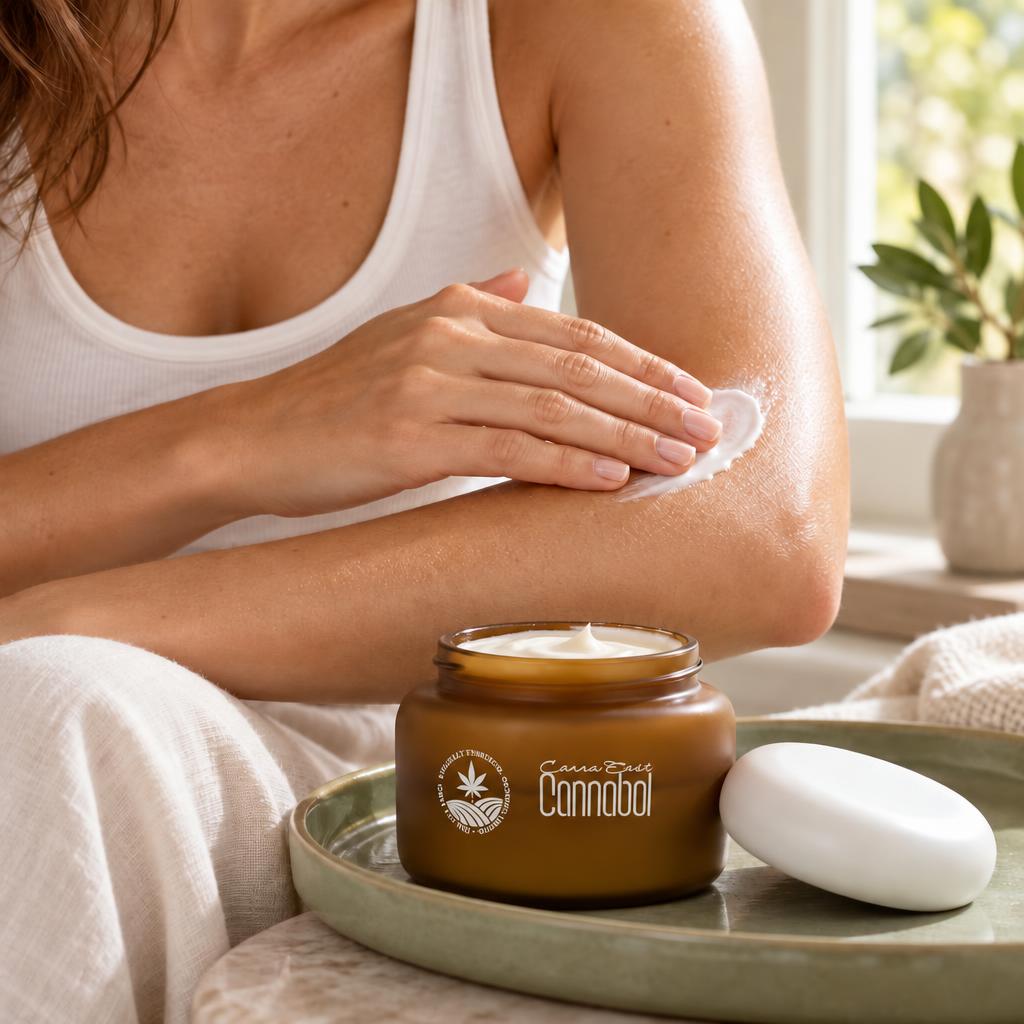
Body Care
Calm & Relief Body Cream
A rich body cream with fullspectrum hemp flower and aerial-part extract, CBD, arnica, comfrey and shea butter.
View productRelated ingredients
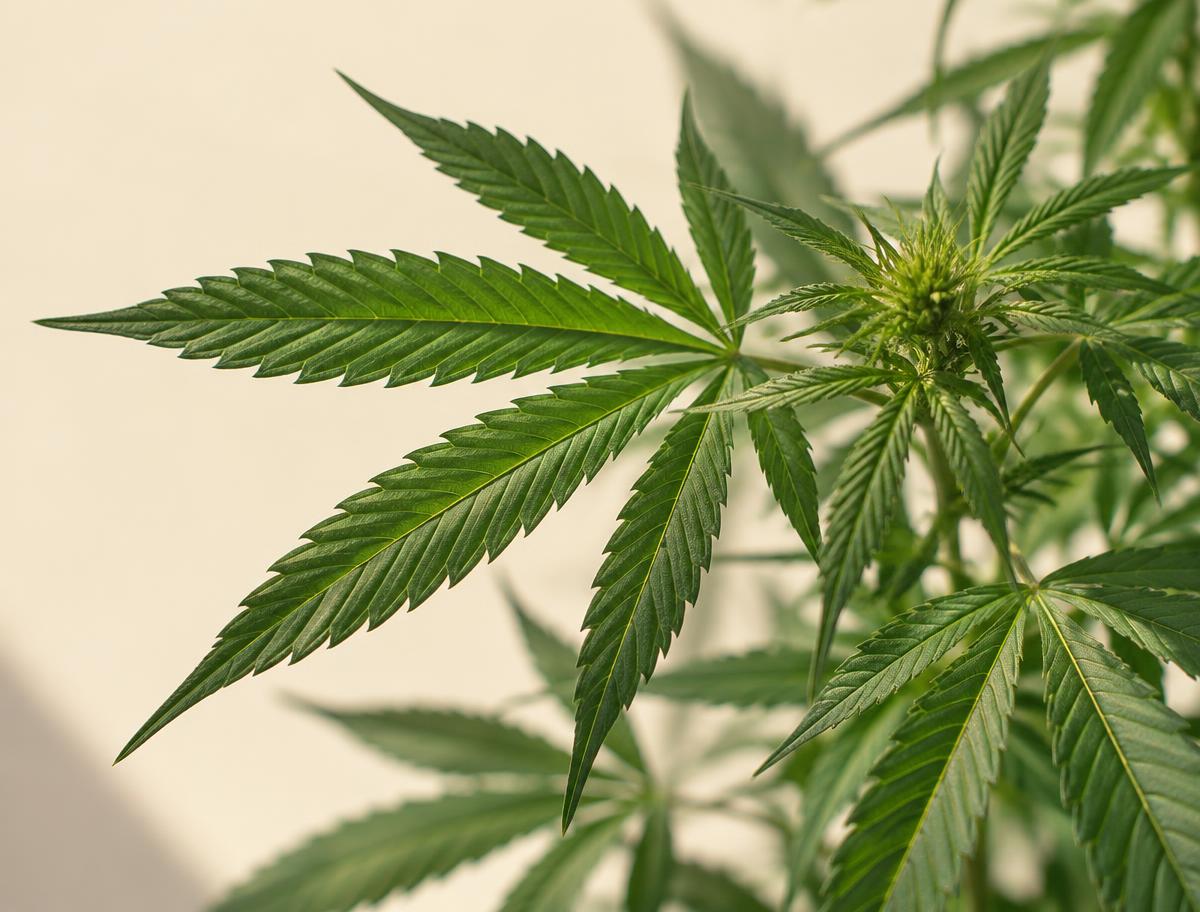
Cannabidiol (CBD)
A compound found in Cannabis sativa L., used as a declared cosmetic ingredient in topical formulations.
Shea Butter
Butyrospermum parkii
A solid plant butter pressed from the nut of the shea tree, used as a rich base for creams.
Related tutorials
Labels · 5 min
How to read an ingredient list
A five-minute method for making sense of any INCI list on a shelf.
Continue learning
CBD
Cannabinoids in a cream: why the complete formula matters
CBD, hemp extract and a rich cosmetic base do different jobs. A practical guide to understanding them without assuming more means better.
5 min read
Ingredients
Antioxidant ingredients in our creams: Q10, CBD and plant lipids
A close look at the declared ingredients, the research on oxidative stress, and the difference between protecting a formula and proving a skin effect.
6 min read
CBD
CBD: what the word actually means
The pillar guide to CBD terminology — the compound, the formats, and how to read the labels around it.
6 min read