Ingredients
Antioxidant ingredients in our creams: Q10, CBD and plant lipids
A close look at the declared ingredients, the research on oxidative stress, and the difference between protecting a formula and proving a skin effect.
CANNAEAST Editorial · Published 12 November 2026 · Updated 12 November 2026 · 6 min read
Short answer
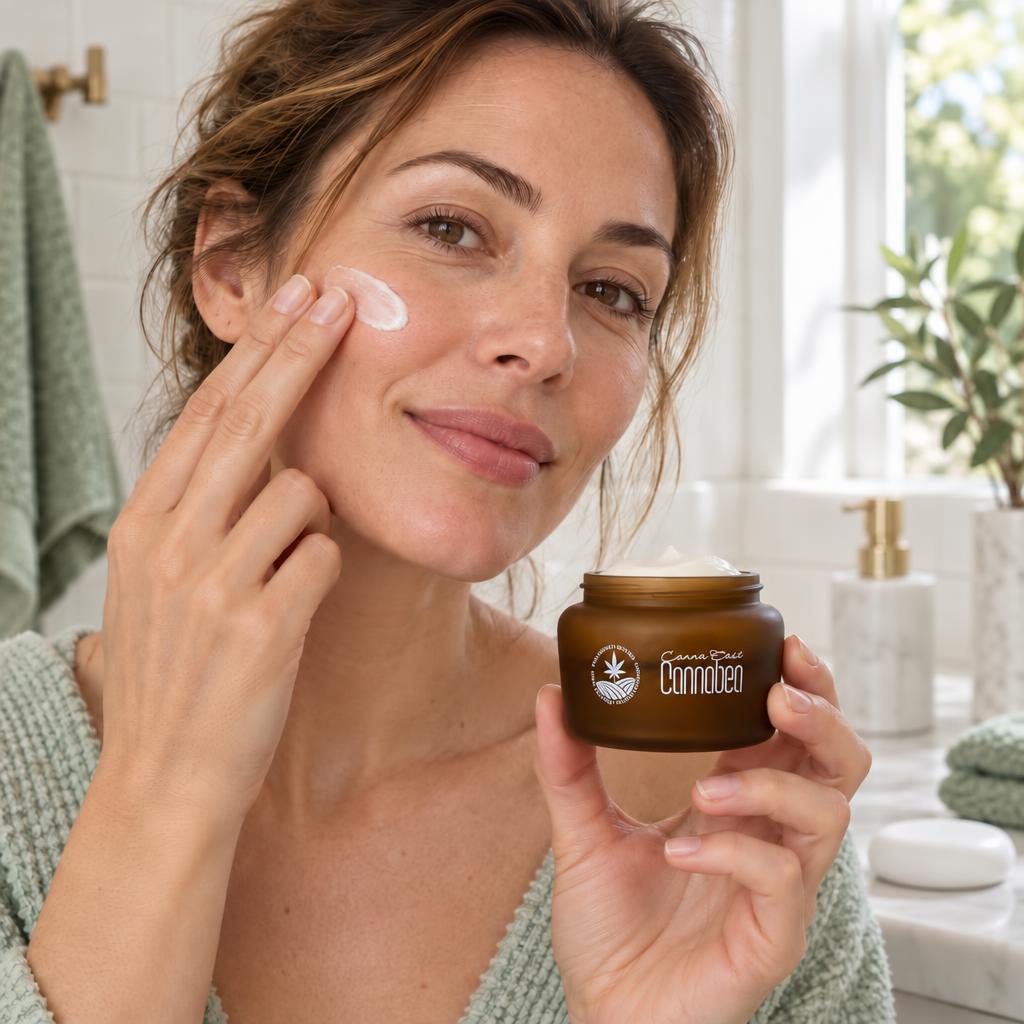
Our face-cream INCI declares ubiquinone (Q10) and cannabidiol, ingredients studied for antioxidant activity. Plant oils and shea butter may also contain antioxidant constituents, but their amounts vary. This does not establish a measured antioxidant effect of our finished creams or make them substitutes for sunscreen.
What antioxidant activity means
Reactive oxygen species participate in normal biology; an imbalance between their production and antioxidant defences is described as oxidative stress. Researchers study how compounds influence those processes. An antioxidant result in a chemical assay, a cell experiment and a human skin study are not interchangeable.
Nor does 'antioxidant' automatically mean fewer wrinkles, protection against pollution or prevention of sun damage. Each of those is a separate outcome requiring appropriate evidence for the actual product.
Ubiquinone: a specific ingredient in our face cream
Ubiquinone is the INCI name for coenzyme Q10 and appears on our supplied face-cream list. Knott and colleagues studied specific Q10-containing formulas using human skin measurements and cell experiments. They reported increased skin Q10 levels and antioxidant-related effects under the conditions tested.
This is more directly relevant to topical use than a test-tube assay alone, but it is not a study of our face cream. The tested formulation and Q10 dose cannot be assumed to match ours. The authors' affiliation with Beiersdorf also deserves to be visible when interpreting this cosmetic-industry research.
Sources and research:[1]
Cannabidiol: antioxidant mechanisms, with important limits
Cannabidiol appears in both our face-cream and body-cream INCI lists. Atalay and colleagues review its direct and indirect antioxidant mechanisms, including effects on oxidative signalling and cellular defence pathways. Much of the evidence is preclinical.
That research explains why CBD is investigated. It does not tell us how much activity survives formulation, storage and real-world application of our creams. No finished-product antioxidant measurement or clinical outcome was supplied to establish that.
Plant oils and shea butter: more than one kind of contribution
Our body cream declares almond oil and shea butter; our face cream declares macadamia oil, shea butter and grape seed oil. These are lipid materials used in cosmetic bases. Reviews of plant oils discuss fatty-acid composition and minor constituents such as tocopherols and phenolic compounds, which vary with the source and processing.
The presence of a botanical oil does not specify its antioxidant content. Findings about grape-seed extracts, for example, cannot automatically be applied to grape seed oil: extraction changes the material. We do not assign a measured antioxidant capacity to any of these ingredients in our creams.
Sources and research:[4]
Protecting the formula is not the same as proving skin protection
The supplied cream INCI lists also include Pentaerythrityl Tetra-di-t-butyl Hydroxyhydrocinnamate, an ingredient used as a formulation antioxidant. Its role in helping limit oxidation of a cosmetic is conceptually different from demonstrating a clinical antioxidant benefit on skin.
We make no product-specific claim about the extent of either effect without the relevant stability or efficacy data. An ingredient list describes composition, not the results of a finished-product test.
Sources and research:[5]
How to put this information to use
Choose a cream for its intended area, complete formula and your tolerance. Follow the instructions and keep the packaging closed. Antioxidant ingredients do not establish an SPF and are not a replacement for an appropriately labelled sunscreen or sensible sun protection.
Our face and body creams are cosmetics, not treatments for oxidative-stress-related disease. The useful promise here is information: you can see which ingredients are declared and understand what the published research does — and does not — support.
Sources and research
Research cited in this article. Study findings apply to the materials and conditions investigated, not automatically to CANNAEAST products.
- [1] Knott et al. — Topical treatment with coenzyme Q10-containing formulas improves skin's Q10 level and provides antioxidative effects (2015)
Human skin measurements and cell experiments with specific Q10 formulations; authors affiliated with Beiersdorf.
- [2] Atalay et al. — Antioxidative and Anti-Inflammatory Properties of Cannabidiol (2020)
Mechanistic review; primarily ingredient-level and preclinical evidence.
- [3] Systematic Review on Transdermal/Topical Cannabidiol Trials: A Reconsidered Way Forward (2022)
Systematic review of human trials; heterogeneous formulations, high risk of bias and reporting limitations.
- [4] Lin, Zhong & Santiago — Anti-Inflammatory and Skin Barrier Repair Effects of Topical Application of Some Plant Oils (2018)
Review spanning laboratory, animal and human evidence; results vary between oils and formulations.
- [5] Azelis / BASF Personal Care — Tinogard TT technical ingredient description
Supplier information about the INCI ingredient role; not a clinical study or proof that this supplier grade is used in our creams.
Frequently asked questions
Recommended products
Products from the CANNAEAST range that relate directly to what you have just read.
Face Care
Hydrate & Renew Face Cream
A daily face cream with fullspectrum hemp flower and aerial-part extract, CBD, macadamia oil, shea butter and aloe.
View product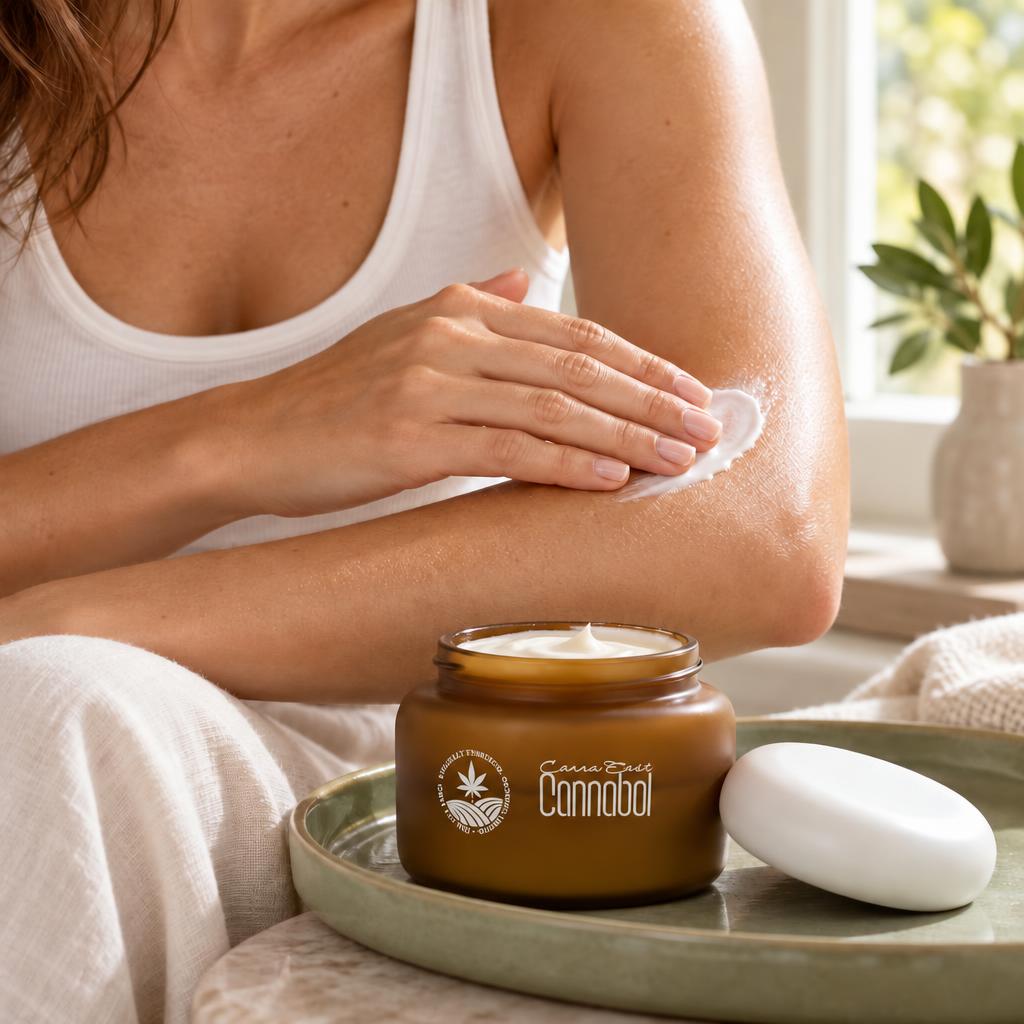
Body Care
Calm & Relief Body Cream
A rich body cream with fullspectrum hemp flower and aerial-part extract, CBD, arnica, comfrey and shea butter.
View productRelated ingredients
Cannabidiol (CBD)
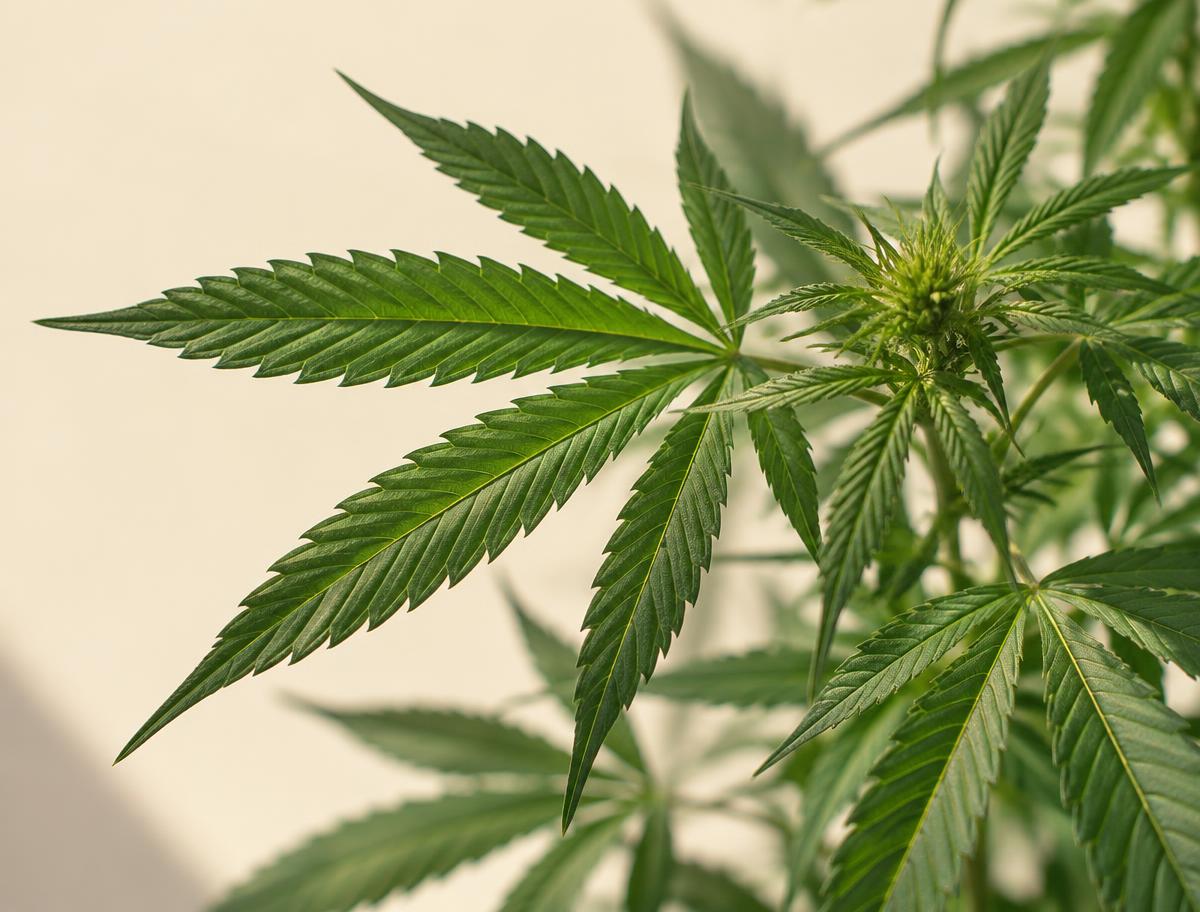
A compound found in Cannabis sativa L., used as a declared cosmetic ingredient in topical formulations.
Shea Butter
Butyrospermum parkii
A solid plant butter pressed from the nut of the shea tree, used as a rich base for creams.
Sweet Almond Oil
Prunus amygdalus dulcis
A mild carrier oil pressed from sweet almonds, widely used in massage and body care.
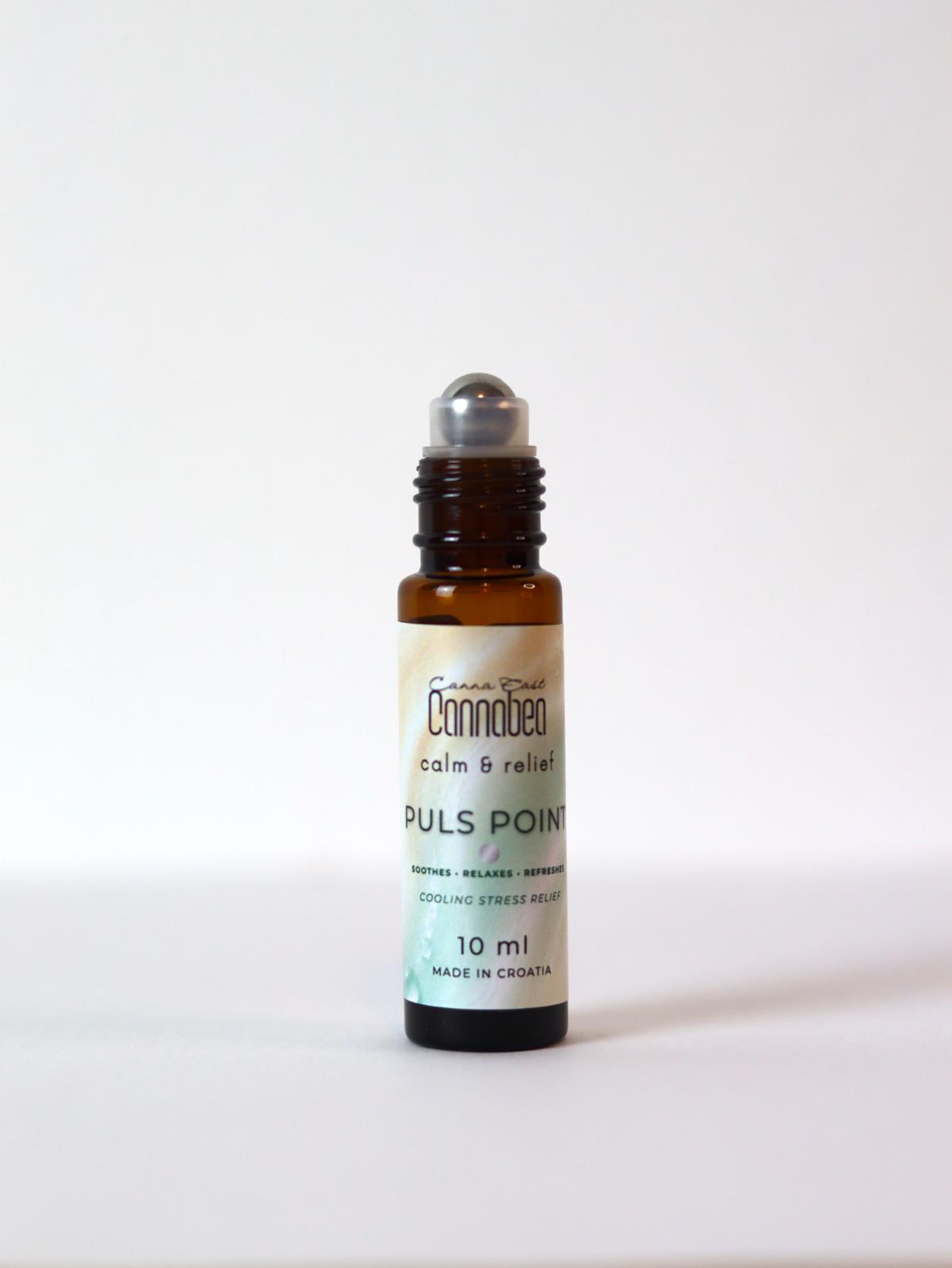
Natural Oils
Carrier oils and butters that make up the base of most balms, creams and body oils.
Related tutorials
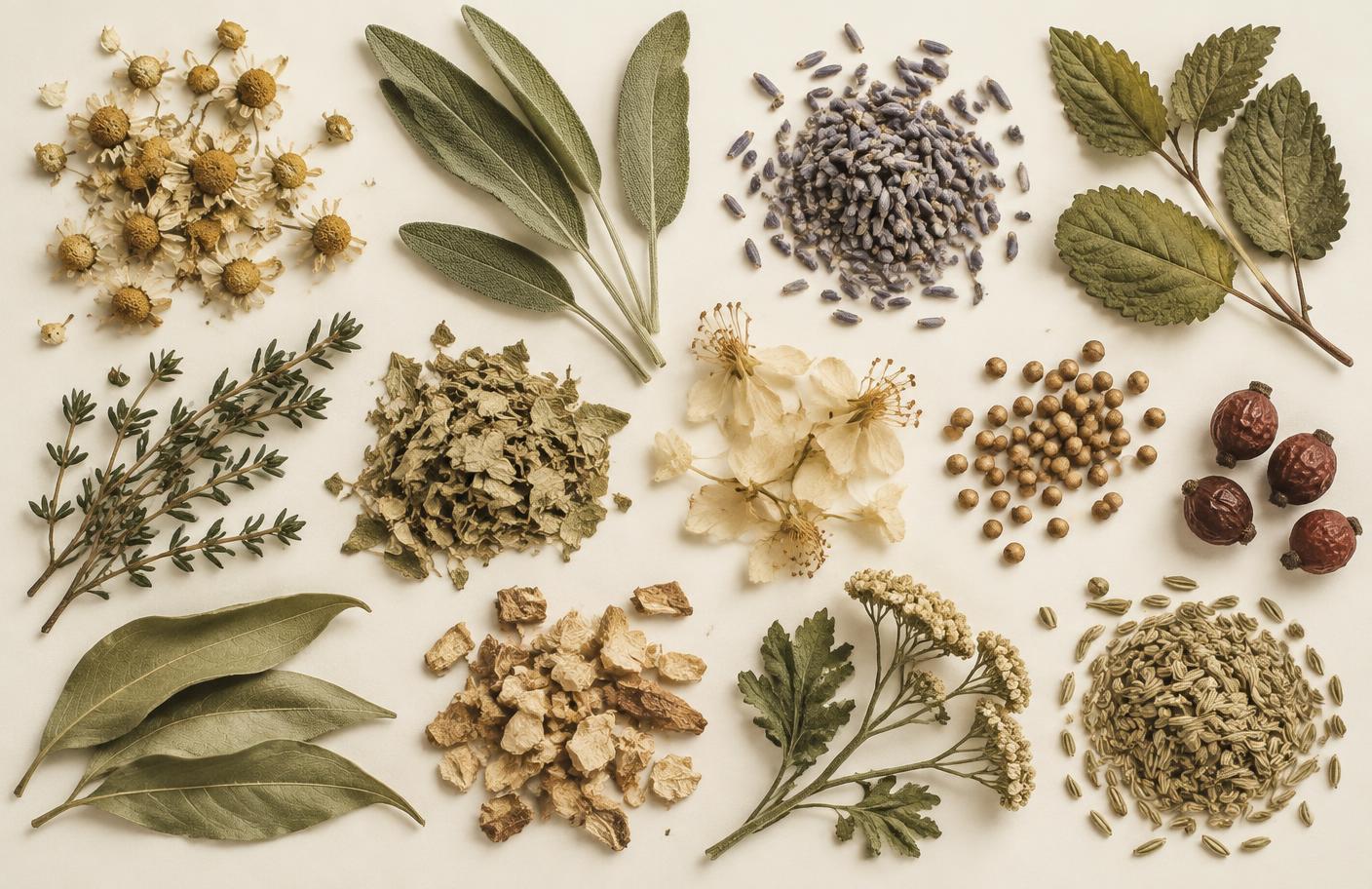
Labels · 5 min
How to read an ingredient list
A five-minute method for making sense of any INCI list on a shelf.
Continue learning
CBD
CBD in skincare: potential benefits and what research actually shows
Why cannabidiol interests skin researchers, where the evidence is strongest, and what it cannot tell you about a particular cream.
6 min read
CBD
Cannabinoids in a cream: why the complete formula matters
CBD, hemp extract and a rich cosmetic base do different jobs. A practical guide to understanding them without assuming more means better.
5 min read
Product Guides
How to read a product label
Five things worth checking before you buy anything topical.
5 min read