CBD
Cannabinoids in a cream: why the complete formula matters
CBD, hemp extract and a rich cosmetic base do different jobs. A practical guide to understanding them without assuming more means better.
CANNAEAST Editorial · Published 12 November 2026 · Updated 12 November 2026 · 5 min read
Short answer
The potential benefit of a cannabinoid-containing cosmetic depends on the entire formula, its stability, how it is used and the evidence for that product. An INCI list confirms declared ingredients; it does not establish cannabinoid levels, absorption, synergy or clinical effectiveness.
CBD, hemp extract and seed oil are not interchangeable
Cannabidiol is a named compound. A hemp extract is a mixture defined by its source and processing. Hemp seed oil is a different material again. An extract name does not tell you how much CBD, CBG or any other cannabinoid it contains.
Our supplied product lists declare Cannabis Sativa (Hemp) Seed Extract and Cannabidiol. We preserve those declarations rather than replacing them with the different INCI name Cannabis Sativa Seed Oil. The manufacturer additionally confirms fullspectrum extract from the hemp flower and aerial parts, with CBD, other cannabinoids and terpenes. This confirmation describes the extract; the INCI alone does not establish its measured composition or concentrations.
Sources and research:[1]
Do not overlook the cream's base
Plant oils and butters are used as emollient materials: they contribute to softness, spreadability and the feel of a product on skin. Reviews of topical oils show that their composition matters and that results differ between oils and preparations. A botanical origin does not guarantee that every oil suits every skin.
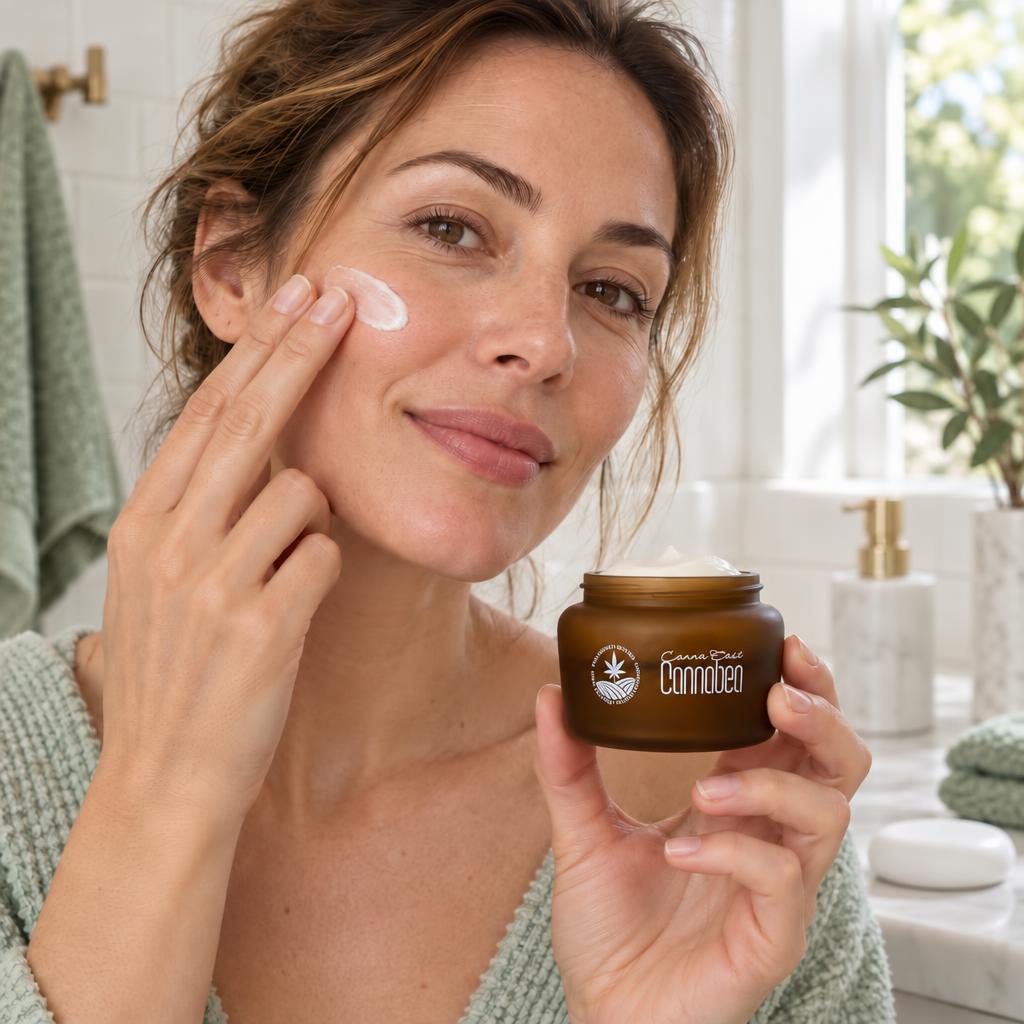
Our body cream combines almond oil and shea butter. Our face cream combines macadamia oil and shea butter with glycerin and other ingredients. Their declared presence helps explain how the formulas are built; it does not quantify hydration or prove a barrier-repair outcome for our finished creams.
Sources and research:[2]
Delivery and stability matter as much as an ingredient name
CBD is lipophilic, and topical researchers examine how vehicles affect its release and passage through skin. A cream, an oil and a specialised transdermal preparation cannot be assumed to deliver CBD in the same way.
Nor does a larger advertised percentage automatically mean a better cosmetic. Without suitable product-specific studies, it cannot tell you the absorbed amount, tolerance or benefit. We do not infer absorption or systemic effects from our ingredient lists.
Does a mixture automatically work better?
The phrase 'entourage effect' proposes interactions between plant compounds. It is not a universal quality label. Finlay and colleagues found no support for the proposed cannabinoid-receptor interactions of the tested terpenes under their experimental conditions. That result has a defined scope: it does not settle every possible interaction, and it does not validate synergy in a finished cosmetic.
The manufacturer confirms terpenes and other cannabinoids in the fullspectrum flower and aerial-part extract, but has not specified an individual terpene profile. Their presence does not establish that the compounds act synergistically in our creams. Those statements would need compositional and product-level evidence we have not been supplied.
Sources and research:[4]
Compare products by information you can actually check
Start with intended use: face care, body care or a roll-on ritual. Then read the complete INCI, instructions and fragrance declarations. For sensitive skin or a known allergy, your own tolerance and professional advice matter more than a cannabinoid headline.
- Declared ingredient is not the same as measured concentration.
- Ingredient research is not the same as a clinical study of the product.
- Choose a texture and routine you can use consistently without irritation.
Sources and research
Research cited in this article. Study findings apply to the materials and conditions investigated, not automatically to CANNAEAST products.
- [1] Ferreira et al. — Skin applications of cannabidiol: sources, effects, delivery systems, marketed formulations and safety (2023)
Review of topical delivery and safety; identifies remaining evidence gaps.
- [2] Lin, Zhong & Santiago — Anti-Inflammatory and Skin Barrier Repair Effects of Topical Application of Some Plant Oils (2018)
Review spanning laboratory, animal and human evidence; results vary between oils and formulations.
- [3] Systematic Review on Transdermal/Topical Cannabidiol Trials: A Reconsidered Way Forward (2022)
Systematic review of human trials; heterogeneous formulations, high risk of bias and reporting limitations.
- [4] Finlay et al. — Terpenoids From Cannabis Do Not Mediate an Entourage Effect by Acting at Cannabinoid Receptors (2020)
Receptor experiments; no support for the proposed interactions in the tested conditions, not proof about every possible mechanism.
Frequently asked questions
Recommended products
Products from the CANNAEAST range that relate directly to what you have just read.
Face Care
Hydrate & Renew Face Cream
A daily face cream with fullspectrum hemp flower and aerial-part extract, CBD, macadamia oil, shea butter and aloe.
View product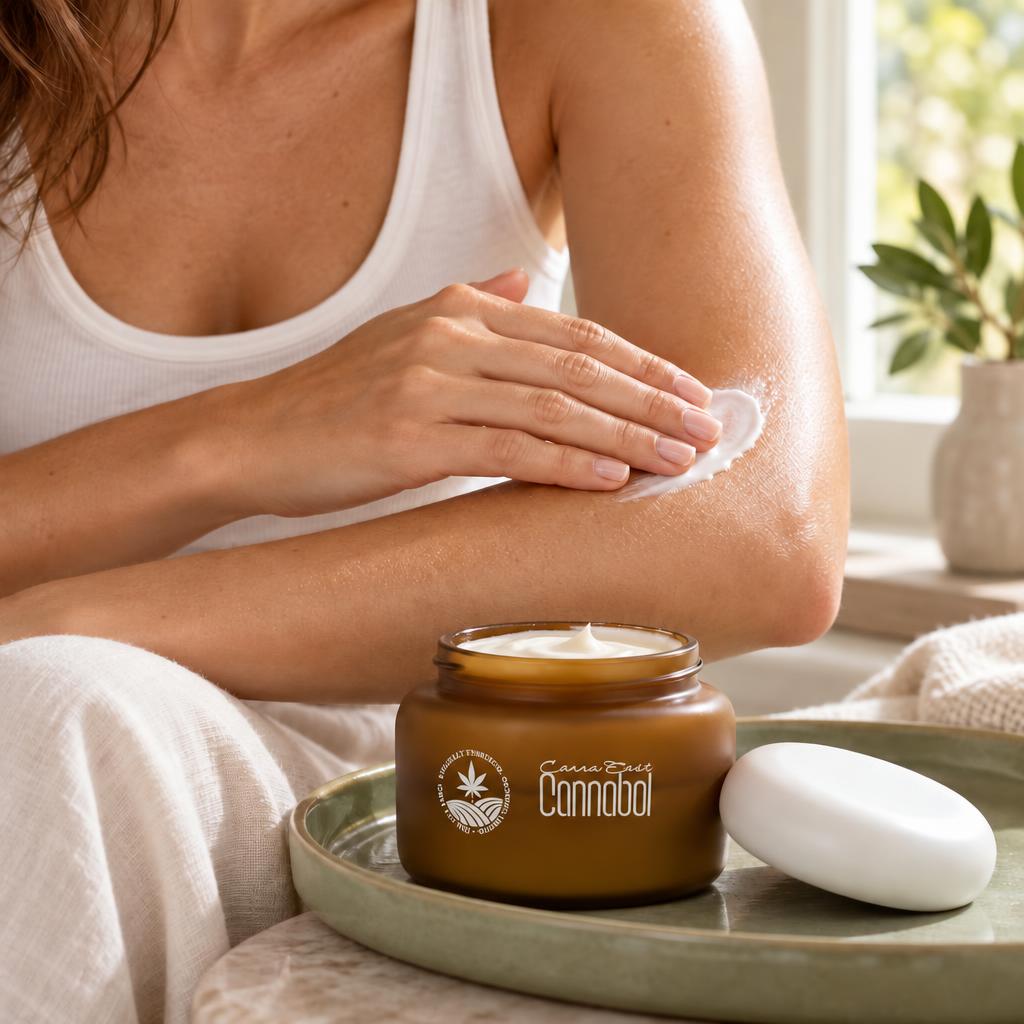
Body Care
Calm & Relief Body Cream
A rich body cream with fullspectrum hemp flower and aerial-part extract, CBD, arnica, comfrey and shea butter.
View product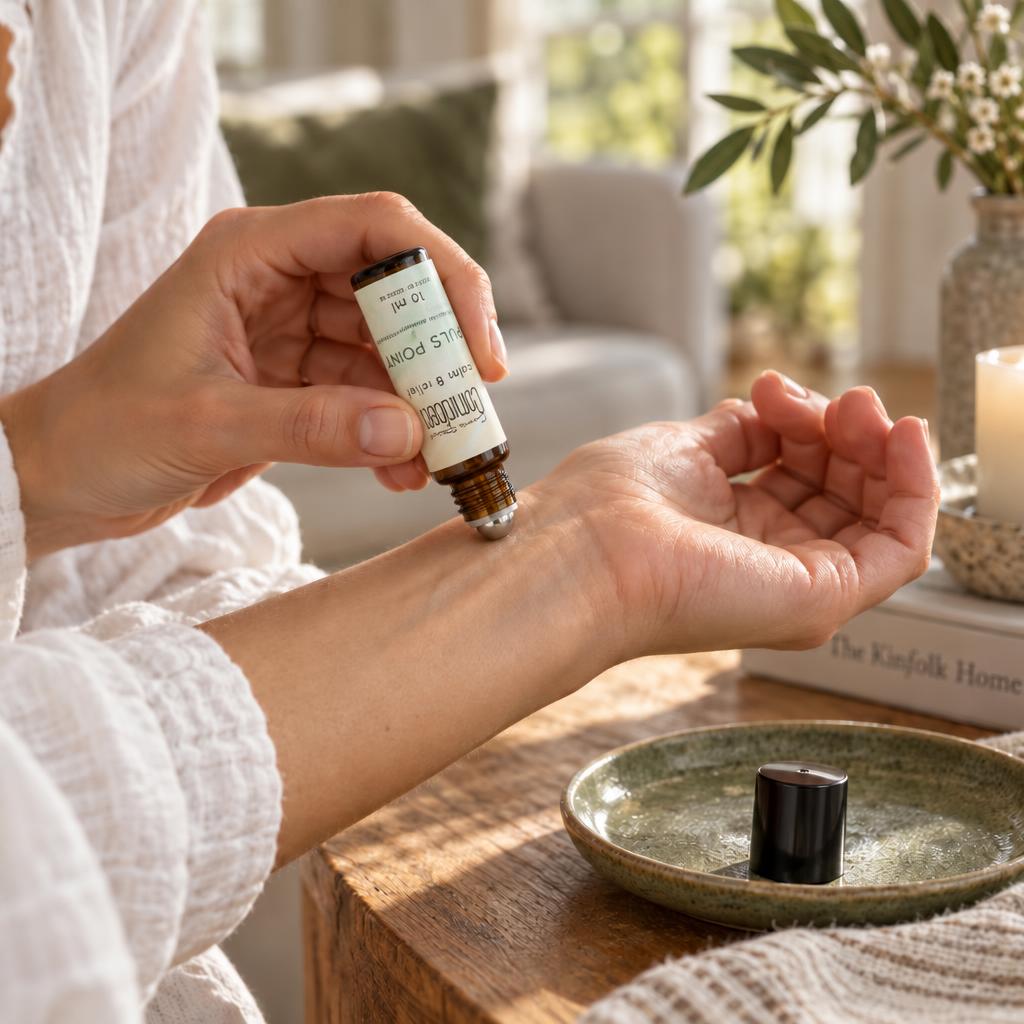
Oils
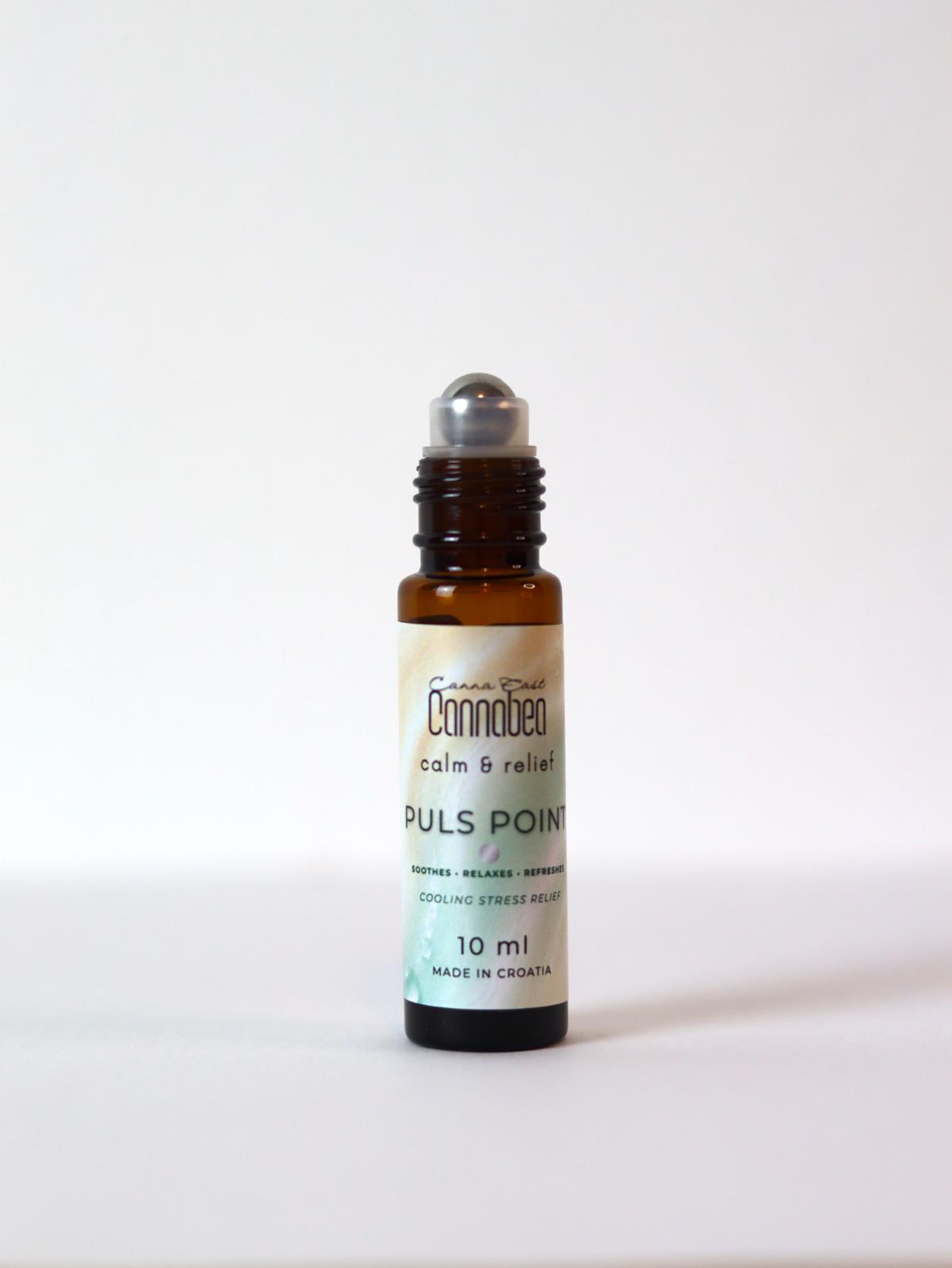
Calm & Relief Pulse Point
A pulse-point oil with fullspectrum hemp flower and aerial-part extract, CBD, almond, jojoba and sunflower oils.
View productRelated ingredients
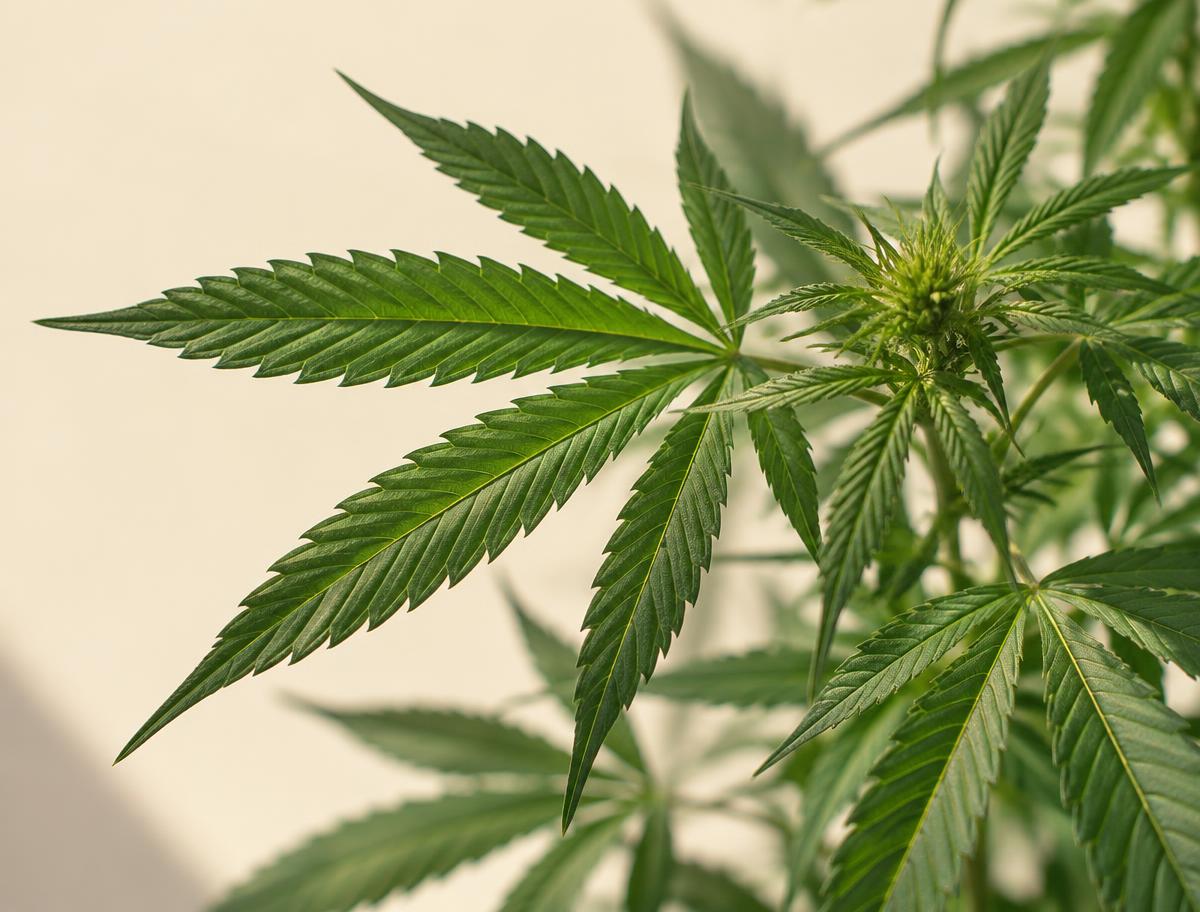
Cannabidiol (CBD)
A compound found in Cannabis sativa L., used as a declared cosmetic ingredient in topical formulations.
Hemp
Cannabis sativa L.
An agricultural crop grown across Europe, used in body care mainly as seed oil or as an extract of the aerial parts.
Natural Oils
Carrier oils and butters that make up the base of most balms, creams and body oils.
Related tutorials
Labels · 5 min
How to read an ingredient list
A five-minute method for making sense of any INCI list on a shelf.
Continue learning
CBD
CBD in skincare: potential benefits and what research actually shows
Why cannabidiol interests skin researchers, where the evidence is strongest, and what it cannot tell you about a particular cream.
6 min read
Ingredients
Terpenes in skincare: aroma, research and skin tolerance
What terpenes are, why they appear in botanical fragrances, and why natural aroma is not a guarantee of gentleness or synergy.
5 min read
Product Guides
How to read a product label
Five things worth checking before you buy anything topical.
5 min read